Chosen theme: Troubleshooting Common Balcony Composter Issues. Turn funky smells, fruit flies, and soggy messes into rich, crumbly compost—without upsetting neighbors or sacrificing your precious balcony space. Ask questions, share your fixes, and subscribe for practical weekly balcony compost tips.
Fast Odor Diagnosis for Small Spaces
Name the Smell to Fix the Cause
Ammonia suggests too much nitrogen from fresh scraps; rotten eggs point to anaerobic pockets; sour vinegar hints at compacted, wet zones. Identify the dominant note, then respond intentionally. Comment which smell shows up most for you and what conditions seem to trigger it.
Balance Greens and Browns Without Guesswork
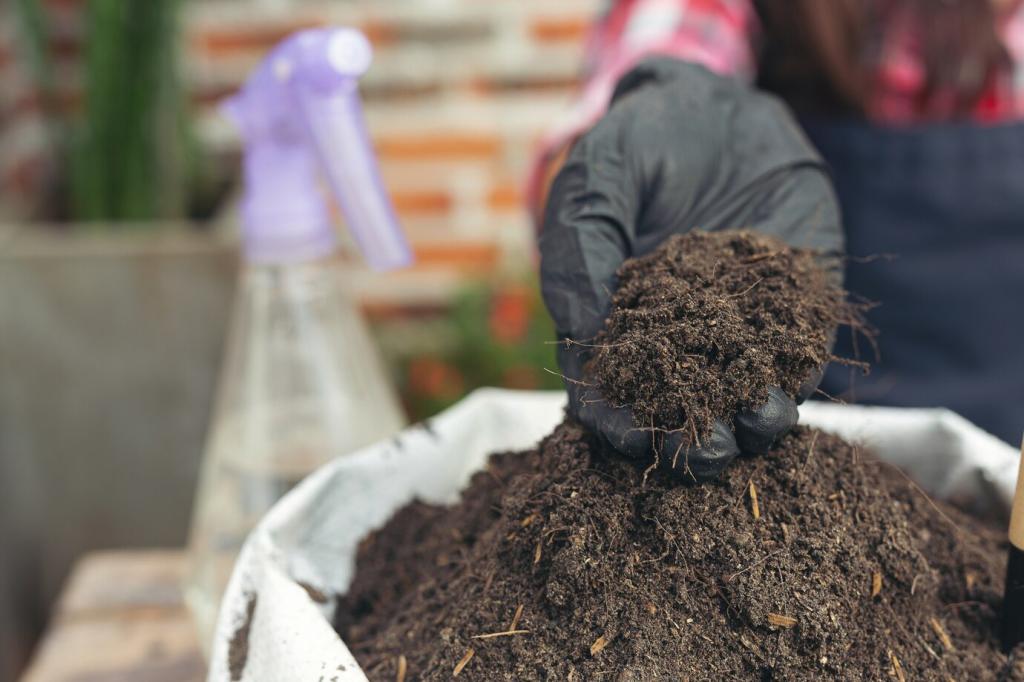
If it smells sharp or swampy, add shredded cardboard, paper, or dry leaves until handfuls feel lightly damp, not sticky. A simple rule: every cup of wet food scraps gets two cups of fluffy browns. Tell us your favorite free browns source so others can try it.
A Five-Minute Reset Protocol
Stir to break clumps, mix in dry browns, poke air channels with a dowel, and cap the surface with a paper layer. I once salvaged a fishy-smelling bin in minutes using this reset. Share which step saved your bin, and we’ll include it in an upcoming roundup.
Fruit Flies, Ants, and Other Visitors
Freeze or microwave fruit scraps briefly to kill eggs, then bury them under two inches of browns. Citrus peels chopped fine and coffee grounds help mask aromas. What prep routine works for you? Drop your method below so new composters can copy your success.
Coffee grounds, dry tea leaves, and a pinch of garden lime balance acidity and tame smells. A final layer of cardboard acts as a breathable lid. Which ingredient neutralizes odors best for you? Share results to help others build an emergency odor kit.
Designing a Neighbor-Friendly Routine
Turn during daytime hours, use rubber-gripped tools, and roll small batches gently if you use a tumbler. Schedule a quick midweek stir and a Sunday reset. Tell us your routine, and we’ll compile a neighbor-approved schedule for balcony composters.
Designing a Neighbor-Friendly Routine
Seasonal Troubleshooting: Winter, Summer, Storms
Insulate with cardboard, bubble wrap, or an old blanket, and feed smaller amounts to avoid freezing clumps. Activity slows, but it resumes. Share your coldest successful composting temperature to motivate readers braving winter balconies.
Seasonal Troubleshooting: Winter, Summer, Storms
Shade the bin, mist lightly, and increase browns with moisture-holding coir. Turn gently to spread humidity. My hottest day fix was a simple umbrella clamp. Tell us your best heat hack so others can protect microbes during scorchers.
Keeping Worms Comfortable
Aim for cool, shaded spots with bedding that stays moist, not wet. Add frozen water bottles on extreme days and increase ventilation. Log your temperature range and share it, so beginners know what comfort looks like on real balconies.
Food Prep That Worms Actually Eat
Pre-chop or blend scraps, avoid greasy foods, and bury feedings in different corners under dry bedding. Sprinkle a little pulverized eggshell for grit. What food makes your worms sprint? Comment your winners and the ones that stalled your bin.
Rescuing a Sour, Anaerobic Bin
Stop feeding, fluff bedding for airflow, add dry paper, and place a thin cardboard cap. If worms clump on lids, conditions are harsh—fix moisture first. When recovery happens, feed tiny amounts. Share your rescue timeline to guide others through the tough days.