
Essential Tools for Efficient Balcony Composting

Chosen theme: Essential Tools for Efficient Balcony Composting. Whether your compost bin sits beside a rosemary pot or under a shade cloth, the right compact tools turn scraps into soil with minimal mess, odor, or effort. A neighbor once told us they almost gave up after a fruit-fly bloom; a simple carbon filter, a mesh screen, and a hand aerator rescued their setup in a weekend. Read on, borrow what fits your space, and share your own balcony-tested toolkit in the comments—then subscribe for checklists and updates.

Pick the Perfect Balcony Bin

Compact tumblers make aeration effortless with a quick spin, while static bins save weight and cost. For very small balconies, a narrow vertical tumbler or stackable crate system preserves precious floor space without sacrificing airflow or access.

Pick the Perfect Balcony Bin

Worm bins excel at odor control and rapid breakdown when kept within temperature ranges, while bokashi pre-ferments food scraps indoors. Many renters pair a bokashi bucket with a curing crate outside, minimizing smell and trips through shared hallways.
Aeration Tools That Keep Odors Away

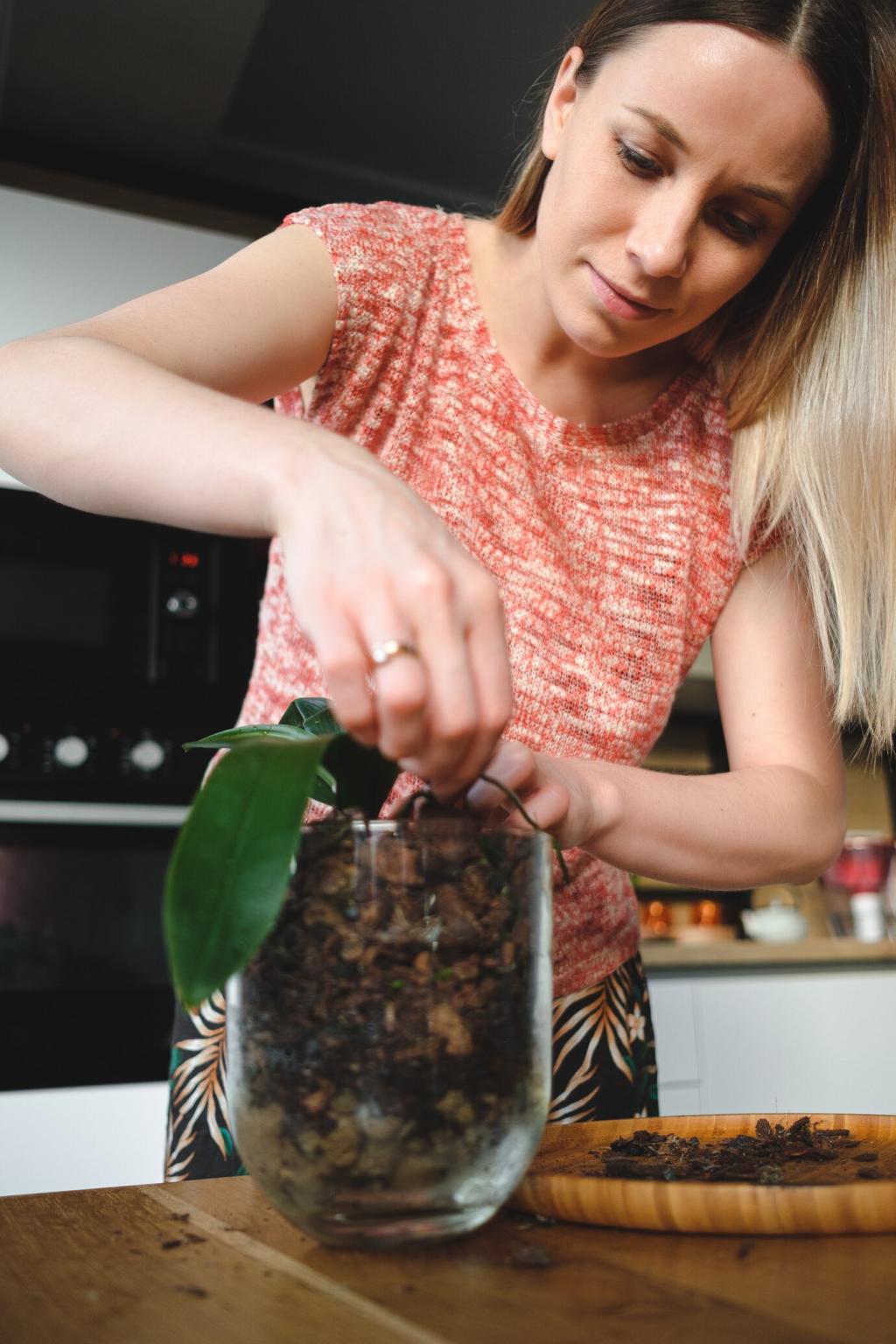
A compact compost crank or handheld aerator lets you fluff the pile without hauling a pitchfork upstairs. A few turns each week prevent anaerobic pockets, helping scraps break down faster while keeping neighbors blissfully unaware of what’s inside.

Moisture and Heat: Monitor Like a Pro

Moisture meters and the squeeze test

A pocket moisture meter complements the classic squeeze test: aim for a wrung-out sponge feel. If drops appear, add shredded cardboard. If it crumbles, mist lightly. Consistency around fifty to sixty percent keeps microbes active without turning swampy.

Thermometers for small volumes

A slender compost thermometer helps you notice subtle heat rises in compact bins. While balcony systems often remain mesophilic, tracking temperature still indicates microbial vigor and alerts you to stalls that benefit from extra browns or aeration.

Misting bottles, lids, and breathable covers

A fine mist bottle corrects dry corners without soaking everything. Pair a tight lid with a breathable fabric cover when turning to limit flies. On windy days, a simple bungee keeps covers in place and your balcony pleasantly tidy.

Odor and Pest Control That Actually Works

Clip-on carbon filters for lids neutralize volatile compounds, while adding a handful of biochar to the mix captures odors and improves structure. Together, they create a forgiving buffer when your greens outpace your browns after a cooking spree.

Prep Tools for Inputs: Chop, Store, Layer

Use a lidded kitchen caddy with compostable liners for daily scraps. If you can’t empty it immediately, store it in the fridge or freezer. Fewer trips outside, fewer smells inside, and tidier feeding sessions on busy weekdays.

Prep Tools for Inputs: Chop, Store, Layer

A small paper shredder handles cardboard; kitchen shears and pruners reduce stems and peels. Smaller pieces expose more surface area, accelerating breakdown. Wear cut-resistant gloves during batch prep, then label a container “browns” for fast layering.

Harvest, Sift, and Store Finished Compost

A shallow mesh frame rests over a tub and quickly separates fines from sticks or avocado pits. Handheld sieves work too. Return the oversized bits for another round, and enjoy silky compost ready for balcony herbs and planters.

Harvest, Sift, and Store Finished Compost

After sifting, let compost cure in a ventilated storage tote for a few weeks. This stabilizes nutrients and finishes decomposition. A layer of burlap on top keeps moisture even, while small side vents maintain gentle airflow.

Weather and Seasonal Protection for City Balconies

A fitted rain cover and an under-bin tray prevent soggy compost and neighbor complaints. Position the bin on leveling feet so runoff never escapes. Even in storms, your system remains predictable and your balcony stays spotless and courteous.

Weather and Seasonal Protection for City Balconies

Wrap bins with closed-cell foam or moving blankets, and add extra browns for structure. A snug lid and windbreak reduce heat loss. Activity slows, but with insulation and aeration, microbes keep quietly working through chilly months.
Novajoyinteriors
Privacy Overview

This website uses cookies so that we can provide you with the best user experience possible. Cookie information is stored in your browser and performs functions such as recognising you when you return to our website and helping our team to understand which sections of the website you find most interesting and useful.